 EN
EN  DE
DE 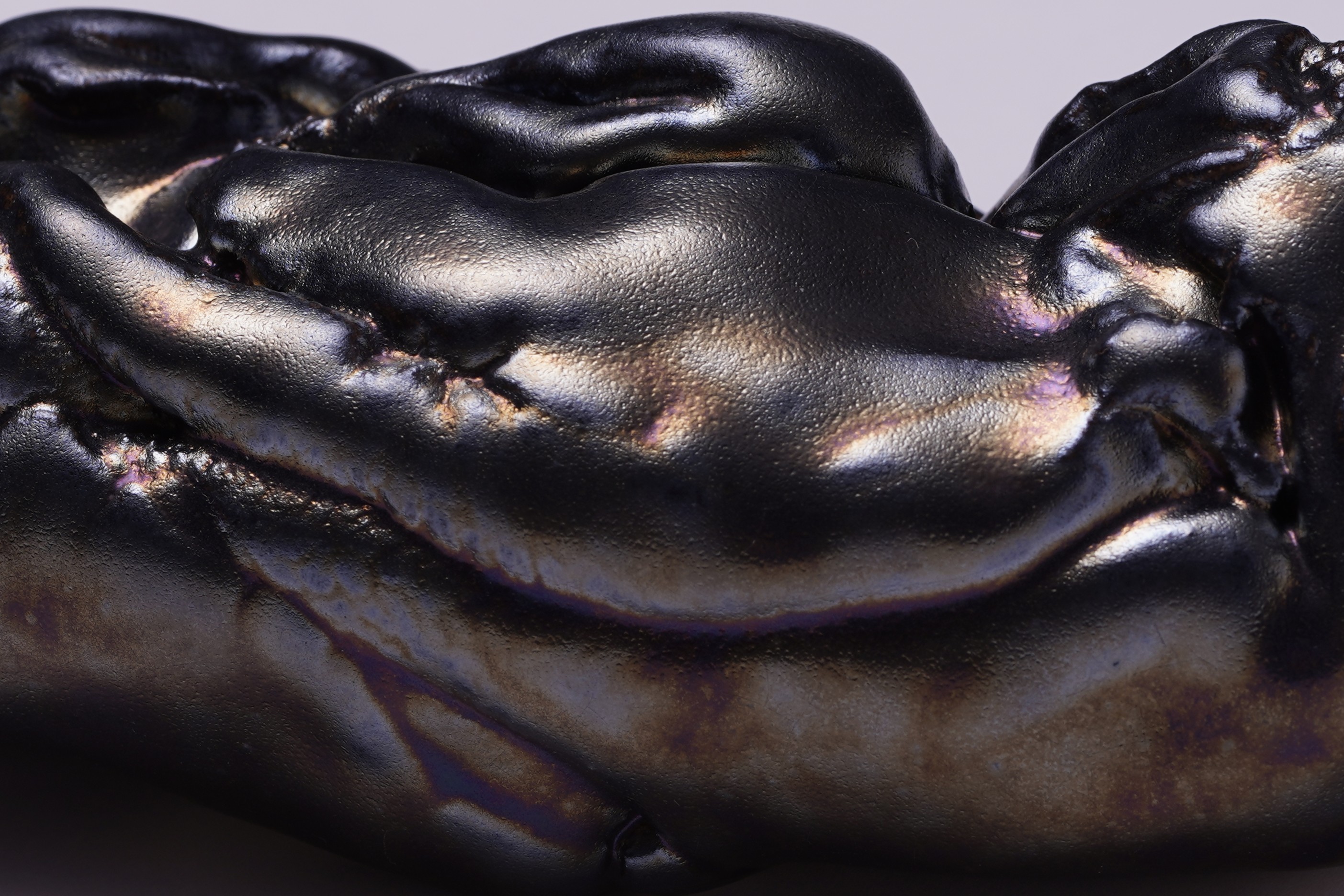
Ceramics in classical interiors occupy a unique position, as they bring together utility and artistic tradition. Unlike decorative elements that shift with changing trends, ceramics have long been associated with enduring values of form, craftsmanship, and material. Their presence in a classical space is always tied to the idea of time, cultural memory, and a tactile experience that cannot be replaced by artificial substitutes.
In classical interiors, ceramics appear through both architectural elements and objects of applied art. These may include fireplace cladding, tiles, ceramic panels, vases, or sculptural pieces. What is essential is that ceramics are not treated as isolated accents but are integrated into the structure of the space, becoming an organic part of it.
Ceramic sculpture by Valeriia Dubovikova
The fatigue of digital sterility
Contemporary art historians and designers increasingly note that the renewed interest in ceramics is linked to a broader fatigue with visual smoothness and digital sterility. Interiors today are shifting toward what can be described as a tactile aesthetic, where material, weight, and texture become central.
Designers often speak about spaces being built not around color but around material presence, a tendency sometimes described as “material drenching.”
In this context, ceramics act as a mediator between classical tradition and contemporary design. They retain historical forms while being reinterpreted in new ways. Large-scale ceramic objects with a sculptural presence function as independent artistic statements.
"SPACES ARE EXPECTED TO CALM, GROUND,
AND CREATE A SENSE OF REFUGE THROUGH MATERIALITY."
A return to grounded authenticity
The relationship between ceramics and natural materials has become a defining theme in recent design discourse. Leading designers emphasize a return to nature, sustainability, and craftsmanship.
As a material derived from earth, ceramics naturally align with this direction and reinforce the sense of grounded, tactile space.
This shift also reflects a broader cultural movement. Interiors today aim not only at visual impact but at emotional experience. Warm, earthy tones such as terracotta, ochre, deep browns, and olive hues shape the psychological perception of a space as stable and secure.
Individuality and the artisanal trace
Within classical interiors, this renewed sensitivity does not disrupt tradition but rather deepens it. Contemporary brands and designers increasingly turn to artisanal techniques and unique pieces.
Interiors are no longer assembled as collections of standardized solutions but are curated as compositions of objects with distinct histories.
As a result, ceramics in classical interiors are experiencing renewed relevance. Through them, one of the central desires of our time becomes visible: the desire to inhabit spaces that are not only visually refined but also authentic, material, and deeply meaningful.