 EN
EN  DE
DE 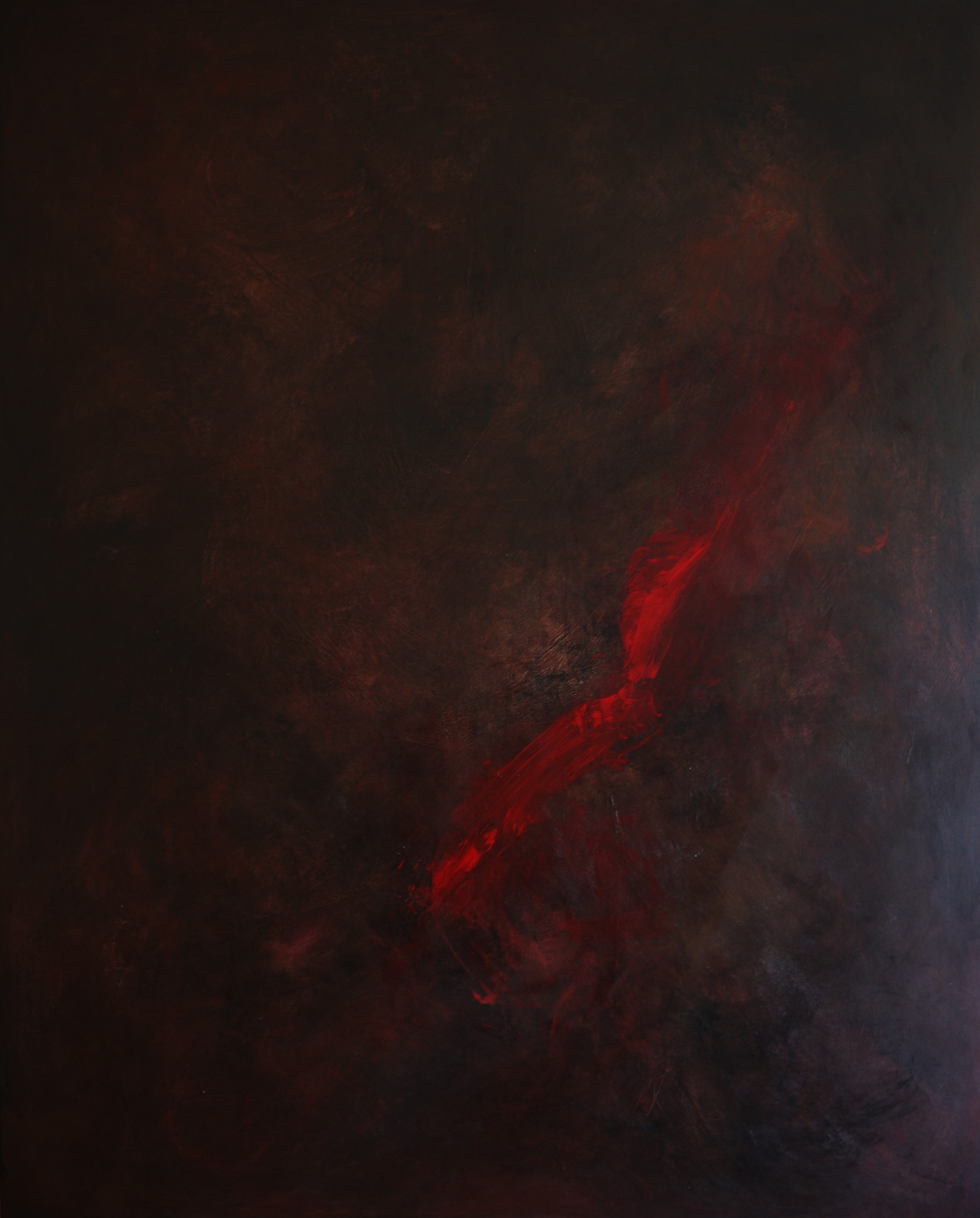
Minimalism is no longer a style. It has become a language of perception, a philosophy of attention, and increasingly, a form of quiet power.
In 2026, we are not witnessing its disappearance but its evolution. In a world saturated with images, noise, and constant stimulation, minimalism offers something rare: clarity, space, and emotional precision.
Composition #2 by Tatiana Lazareva, 2024, 80x100cm
"Less is more."
As Ludwig Mies van der Rohe once said, today, this idea feels less like a slogan and more like a neurological necessity.
The Intention of Essence
Historically, minimalism emerged as a radical act of reduction. Artists and designers removed excess to reveal structure, proportion, and essence. Yet true minimalism has never been about emptiness. It is about intention.
"The minimum is not a lack of something.
It is simply the perfect amount of something."
— JOHN PAWSON
This shift from absence to precision defines the way we understand minimalism today.
Cognitive Load and Spatial Relief
Minimalist environments have a measurable effect on the human mind. When visual noise is reduced, the brain requires less effort to process information. This leads to a subtle but powerful chain reaction: decreased cognitive load, increased focus, and a sense of internal stability.
In essence, minimalism creates mental space. This is one of the reasons why minimalist design is often perceived as luxurious. It offers not just visual elegance, but psychological relief. In a culture of overstimulation, calm has become a premium experience.
Seeking Meaning over Accumulation
The contemporary attraction to minimalism is deeply emotional. We are no longer seeking more. We are seeking meaning. Minimalism allows for a curated existence, where each object carries weight and presence. It aligns with a broader cultural movement toward conscious living, sustainability, and identity through selection rather than accumulation.
"Good design is as little design as possible."
— DIETER RAMS
This idea resonates today not as restraint, but as respect for both the object and the observer.