 EN
EN  DE
DE 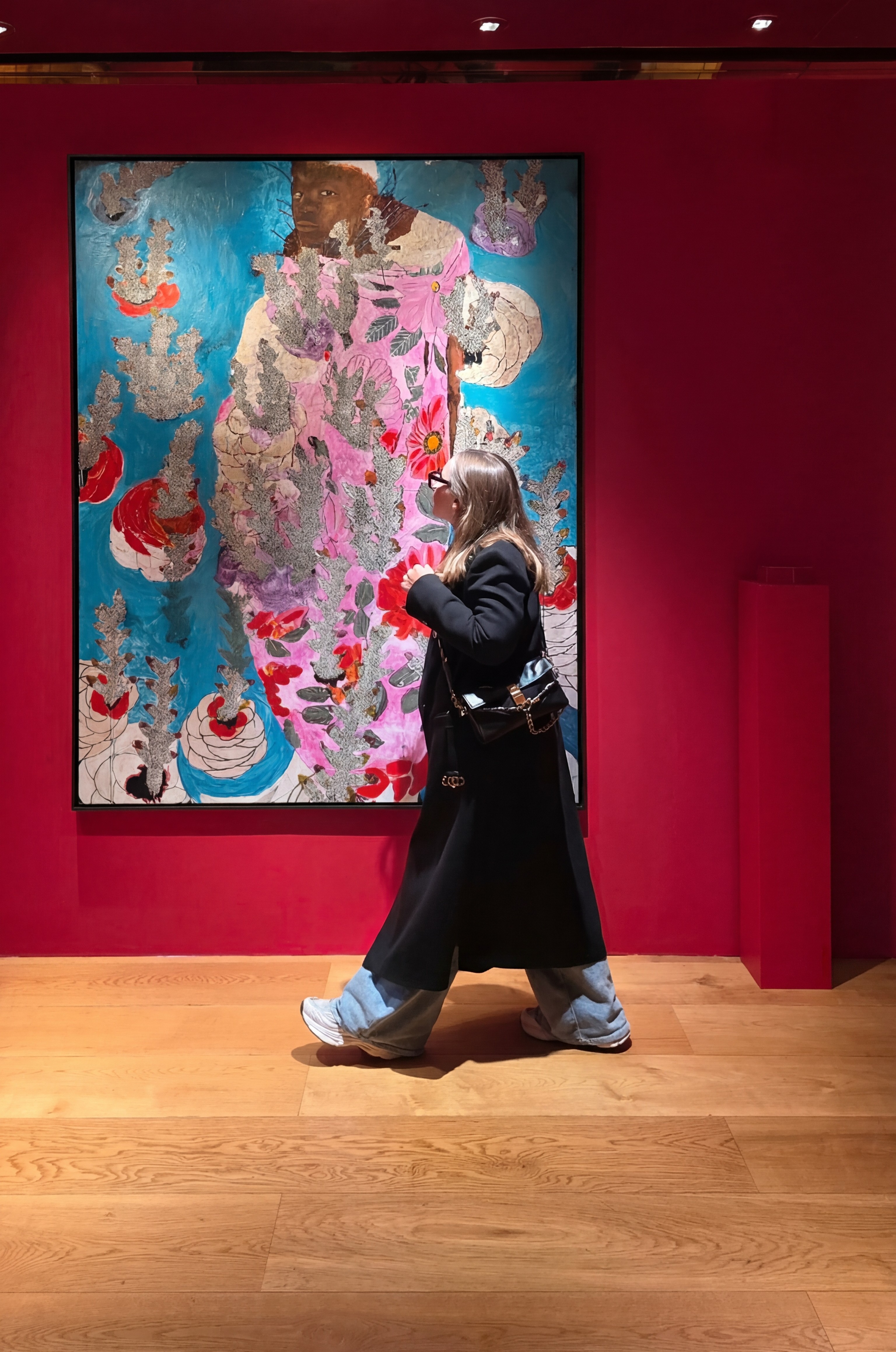
Minimalism and contrast may seem like opposites. One reduces, the other intensifies. Yet together, they form one of the most sophisticated visual languages in contemporary design. Minimalism creates the stage. Contrast delivers the moment.
In a minimal environment, every contrast becomes amplified. A single dark line on a white surface, a warm tone in a neutral palette, a textured object in an otherwise smooth space. These gestures carry more weight because nothing competes with them.
In minimalism, contrast often creates that interest. It is the friction that prevents silence from becoming stagnation.
"A work only needs to be interesting."
— DONALD JUDD
Controlled Stimulation
This balance between restraint and intensity has a strong psychological effect. Minimalism calms the mind. Contrast reactivates it. Together, they create a rhythm of rest and stimulation, which feels both grounding and engaging.
This duality is especially relevant in 2026, where design is expected to support emotional wellbeing while maintaining visual sophistication. The mind seeks order, but the soul seeks a spark.
A New Aesthetic Balance
We are seeing a move toward controlled contrasts: soft minimal interiors with one expressive artwork, architectural purity interrupted by sculptural furniture, neutral spaces defined by light and shadow rather than color.
This is not contrast for effect.
It is contrast as composition.
By treating contrast as a structural element rather than a decorative one, we achieve a curated depth. Each choice becomes an anchor for the eye, turning a simple room into a profound experience.