 EN
EN  DE
DE 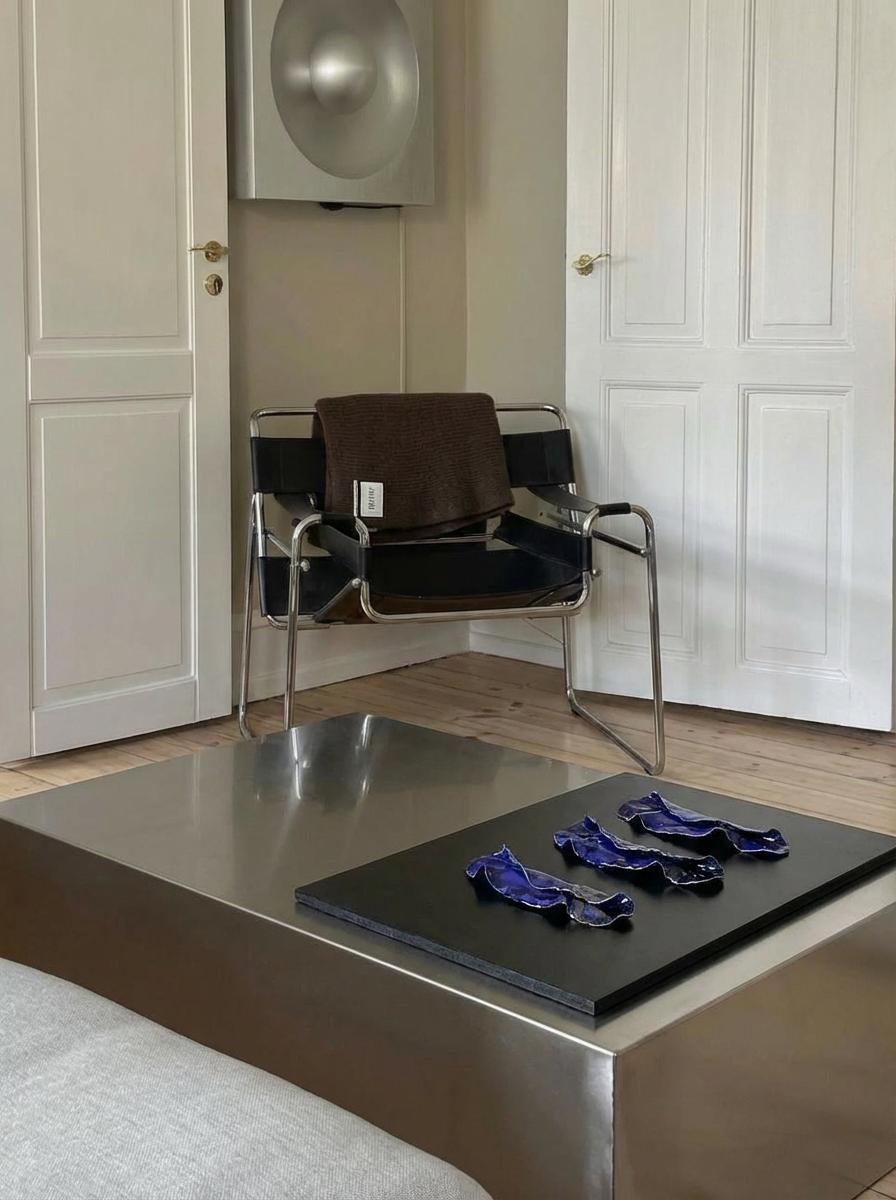
In an age defined by automation, immediacy, and mass production, design is turning away from speed. The objects that carry greatest meaning today are the ones that required the most time — time to conceive, time to make, time to understand. Slowness has become a form of value.
Handcrafted objects, limited editions, and artisanal techniques are no longer niche concerns for the nostalgic or the eccentric. They are at the centre of how serious collectors and cultural institutions now think about material culture. Time is visible in the object. This is not sentiment. It is legible as form.
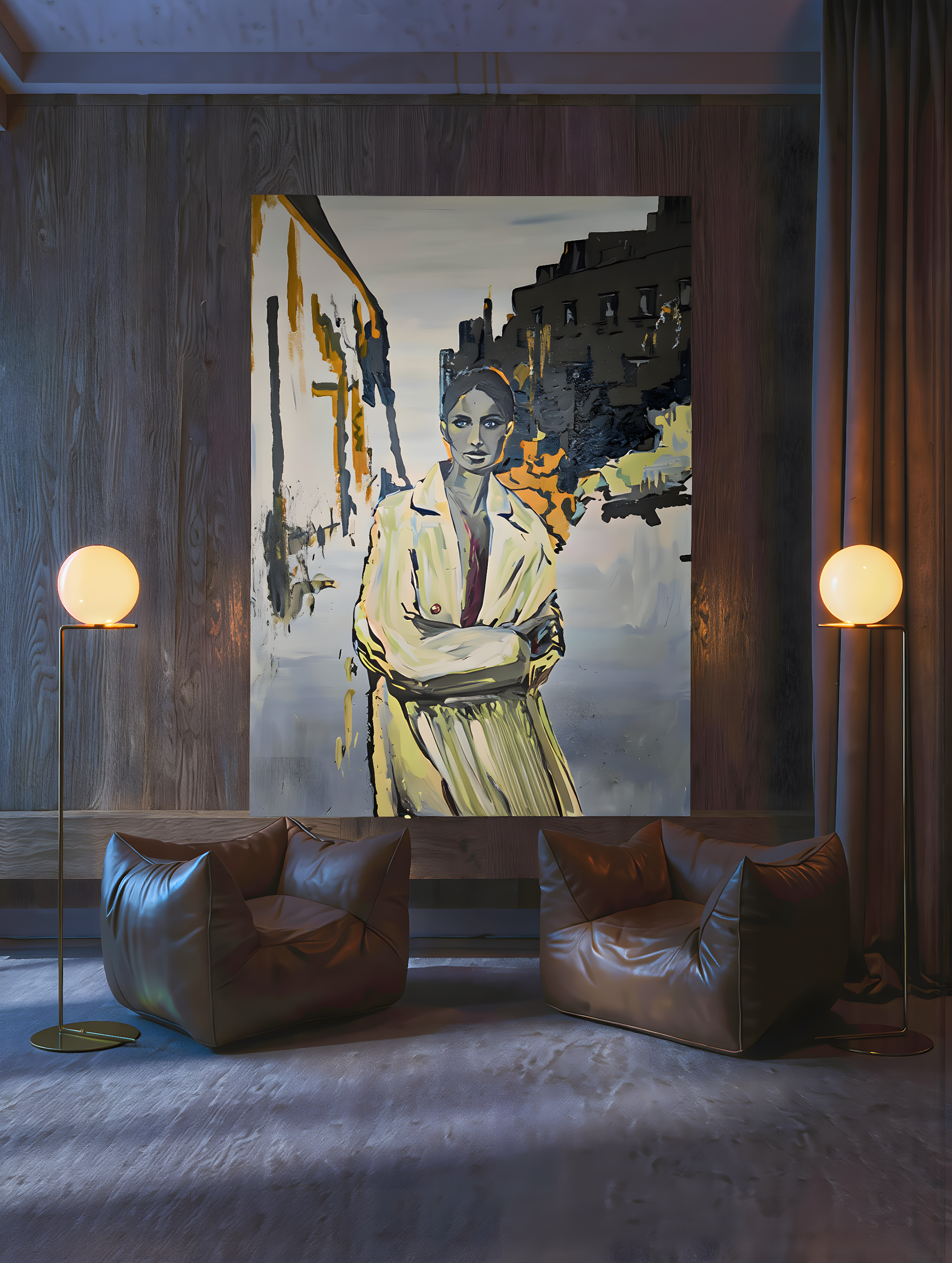
There is a specific moment when standing before a work of truly monumental scale that the body understands something the mind has not yet formulated. The painting is not merely on the wall because you find yourself completely inside it. This is not a metaphor but pure neuroscience.
Large-format art, which exceeds the human body in at least one dimension, fills peripheral vision entirely and cannot be taken in from a single fixed position. It operates on the nervous system in ways that are categorically different from works of conventional scale. This experience is not aesthetic appreciation at a distance, as it closely resembles immersion, a distinct state the brain enters when the boundaries between self and environment become temporarily permeable.
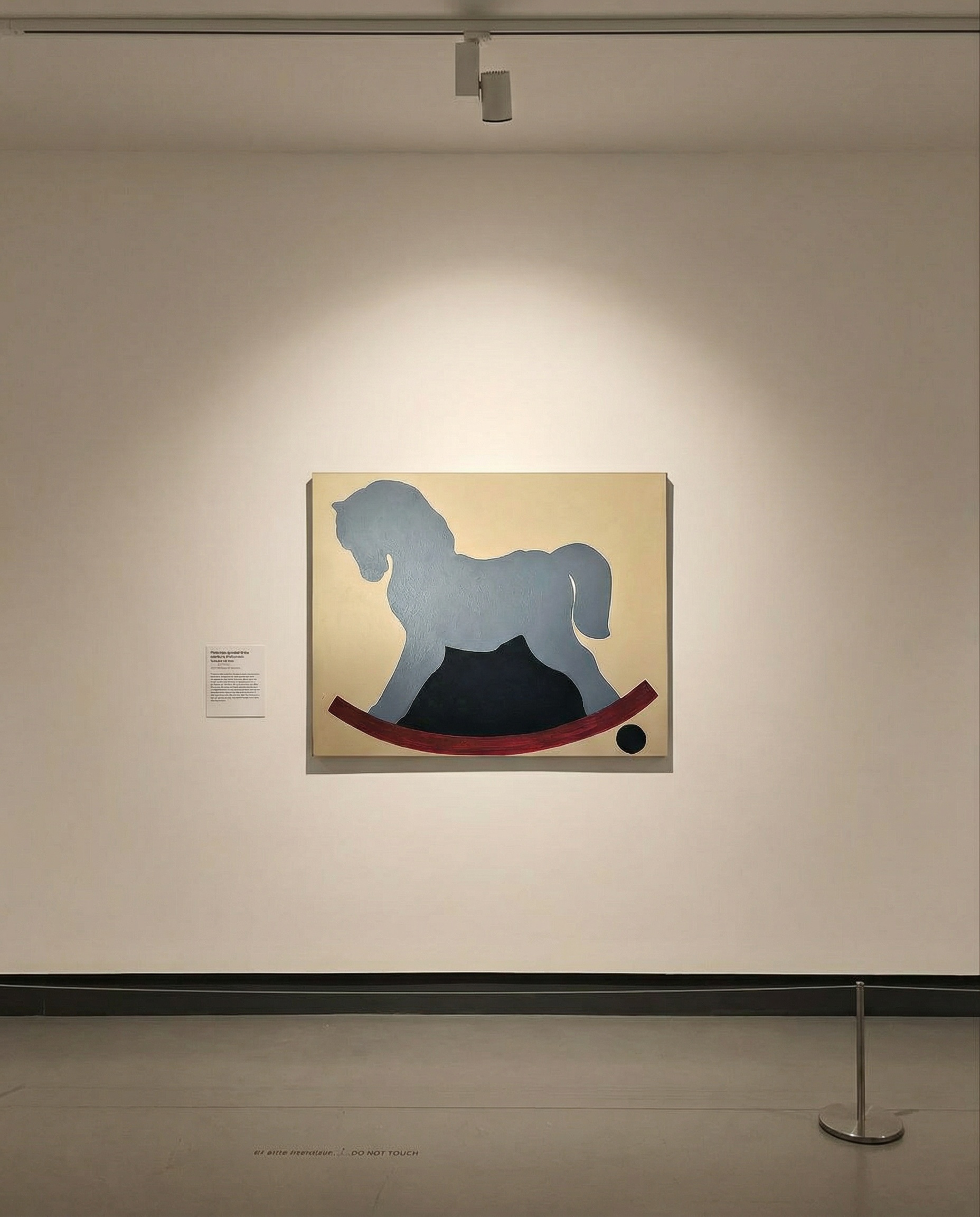
Light is not the context in which we see art. Light is the first material of every work we have ever looked at. Change the light and you change the painting. Not its physical surface, as that remains constant, but everything the nervous system receives from it.
I have stood before the same Vermeer in three different lighting conditions: in the flat, calibrated daylight of a northern European museum on an overcast morning, under the warm halogen wash of a private collector's study, and once, by accident, in the raking light of late afternoon that entered briefly through an improperly curtained window. These were three different paintings. The same pigment, the same varnish, the same canvas, and yet three entirely distinct aesthetic and emotional experiences. This is not subjectivity but pure neuroscience.
Read more: BETWEEN DAYLIGHT AND ARTIFICE: WHAT LIGHT DOES TO THE BRAIN, THE WORK, AND THE COLLECTOR
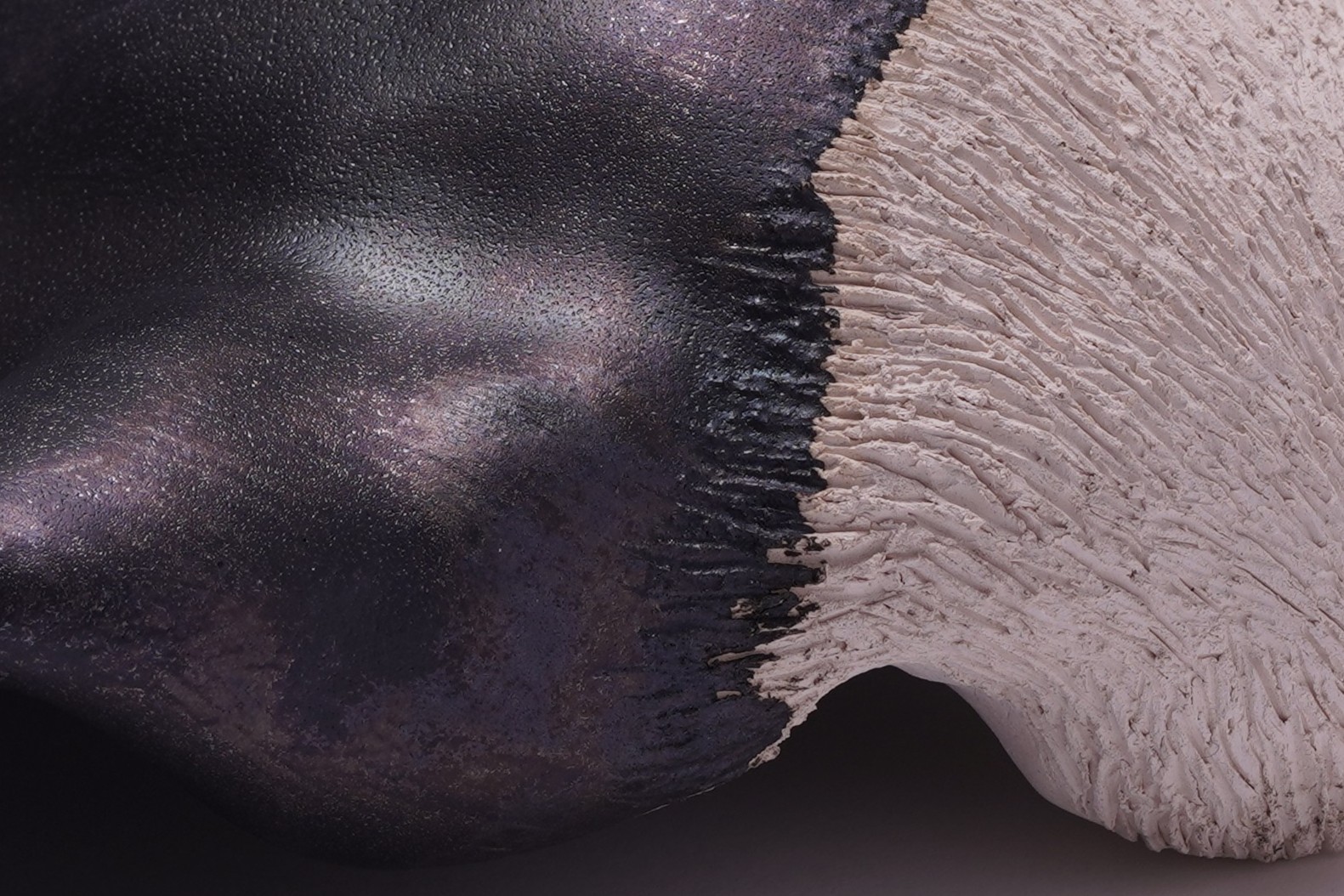
Art therapists have long understood intuitively what neuroscience now confirms: the physical quality of materials matters just as much as their color or form. What we touch changes how we feel, not merely metaphorically but on a measurable neurobiological level. The somatosensory cortex, the region of the brain that processes tactile impressions, connects directly with the limbic system, the emotional center of the brain. Texture is therefore not an aesthetic afterthought but a therapeutic active ingredient.
In the history of art therapy, there was a long-standing tendency to focus primarily on the finished piece, examining its symbolic meaning, projective content, or narrative statement. However, a growing number of therapists and researchers are shifting their attention to the pre-verbal stage, focusing on the quality of the process itself. The resistance of clay beneath the fingers, the scrape of bristles on a rough canvas, and the weight of a palette knife loaded with paint all speak to layers of human experience that lie far beneath language.
Read more: THE SENSORY BASIS OF HEALING: TEXTURE IN THERAPEUTIC CONTEXTS
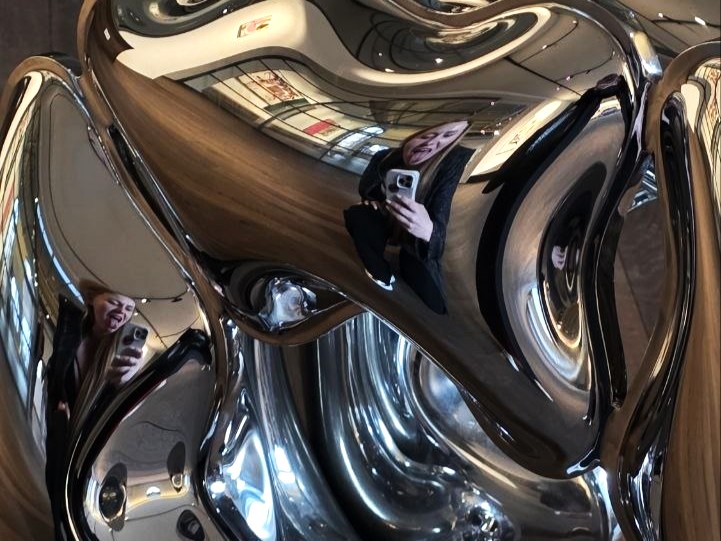
In recent years, contemporary art has entered a new emotional and aesthetic phase. After the explosive rise of artificial intelligence, algorithmic image generation, and hyper-polished digital visuals, the art world unexpectedly moved in the opposite direction, toward imperfection, materiality, and emotional depth.
One of the strongest manifestations of this shift is the rise of neo-figurative painting. Today, collectors, galleries, curators, and interior spaces are once again drawn to paintings where the human presence is visible not only in the subject itself, but in the gesture, texture, atmosphere, and vulnerability of the work. The return of the figure reflects something deeper than a trend, revealing a cultural longing for authenticity in a world increasingly shaped by artificial systems.
Read more: Neo-Figurative Painting: The Return of the Human Presence in the Post-AI Era
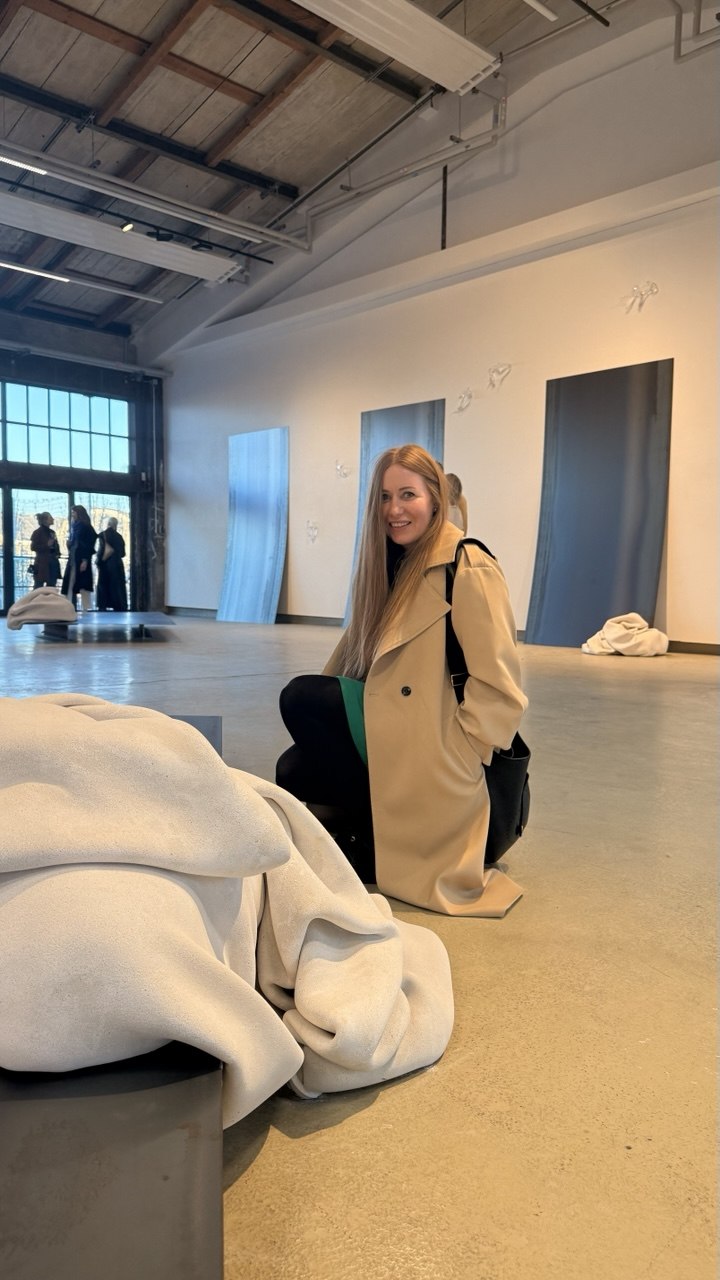
The relationship between contemporary art and luxury has evolved into something far deeper than a mere marketing collaboration. Fashion houses no longer simply reference art for passive inspiration because they are actively becoming cultural institutions themselves.
Today, luxury brands are not selling products alone. They are selling atmosphere, intellectual identity, emotional experience, and cultural belonging. This transformation explains why the worlds of fashion, contemporary art, collectible design, architecture, hospitality, and curation are now merging into one interconnected ecosystem.
Read more: THE CULTURAL ECOSYSTEM: WHY THE BOUNDARIES HAVE DISAPPEARED
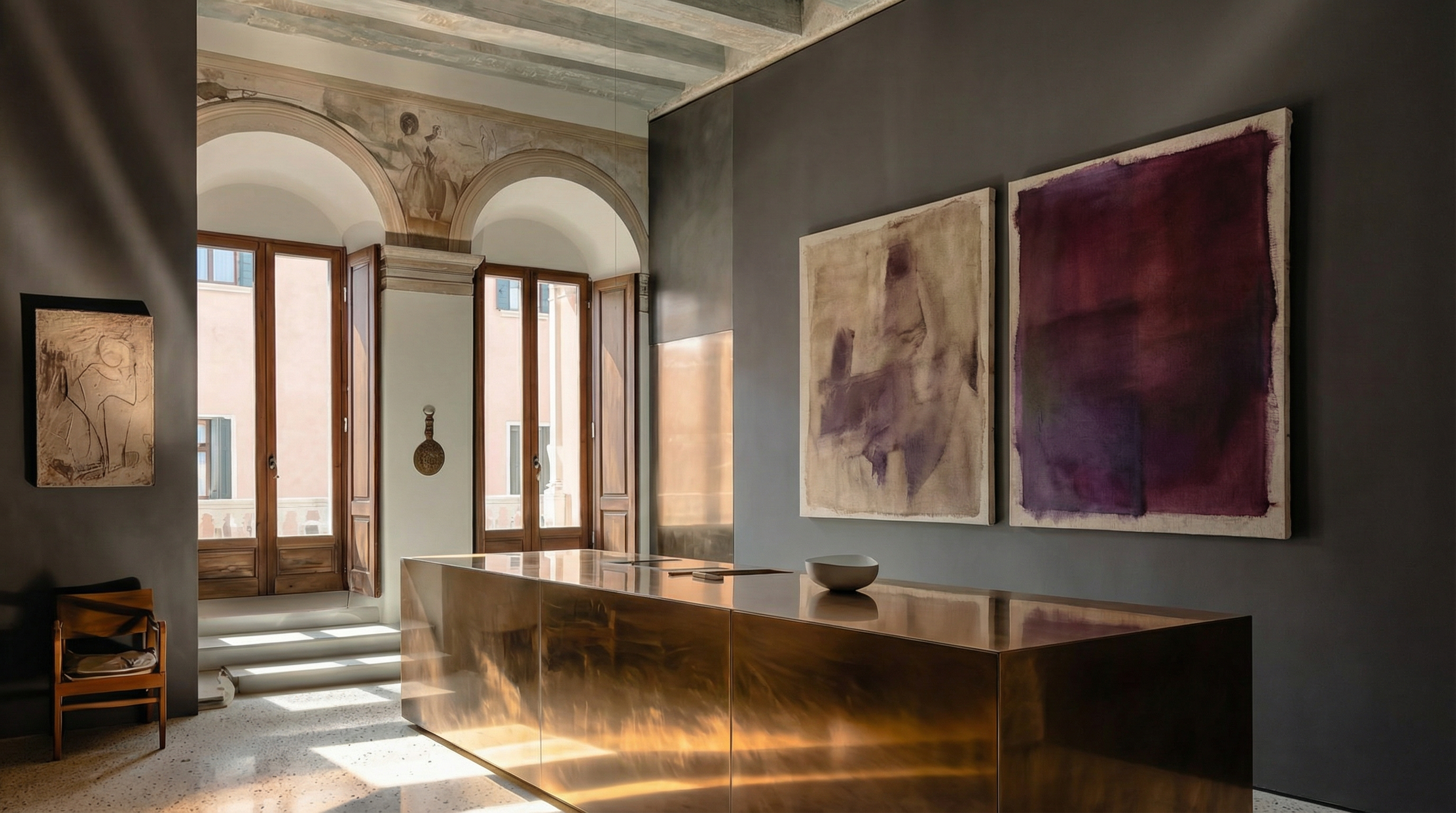
In 2025–2026, surrealism is not just returning because it is quietly redefining the entire visual language of contemporary art. This is no longer the historical surrealism of Salvador Dalí with its sharp theatrical symbolism and overt dream logic. The new surrealism is softer, more psychological, more cinematic, and deeply atmospheric. It does not shout, choosing instead to linger.
We are witnessing a profound shift toward what could be called post-digital surrealism, where the boundaries between reality, memory, imagination, and subconscious experience dissolve into one continuous emotional space. At the center of this revival are dream aesthetics, mystical imagery, symbolic layering, liminal spaces, strange beauty, and a new form of emotional melancholy that feels both intimate and universal.
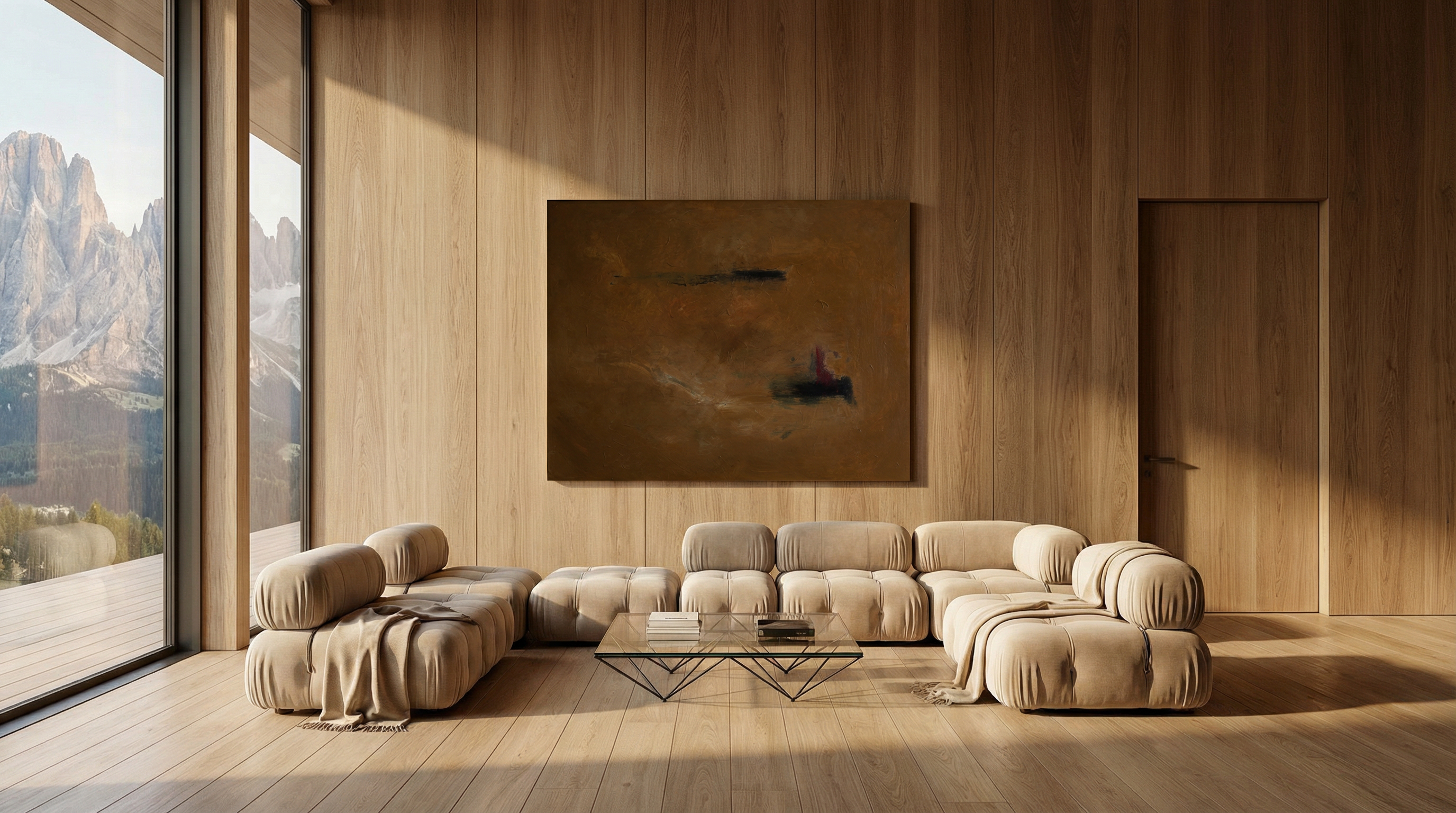
Collectible design represents one of the most powerful shifts in contemporary culture. The boundary between art and interior has almost completely dissolved, and we are now living in a moment where objects are no longer divided into art and furniture because they exist in a shared field of meaning, atmosphere, and cultural value.
In this new landscape, people are no longer simply decorating spaces. They are composing environments. From sculptural furniture to experimental lighting, and from unique functional objects to art furniture and functional sculpture, collectible design has become a new language of status, identity, and emotional experience.
Read more: WHEN INTERIORS BECOME ART: THE RISE OF THE CURATION ECONOMY
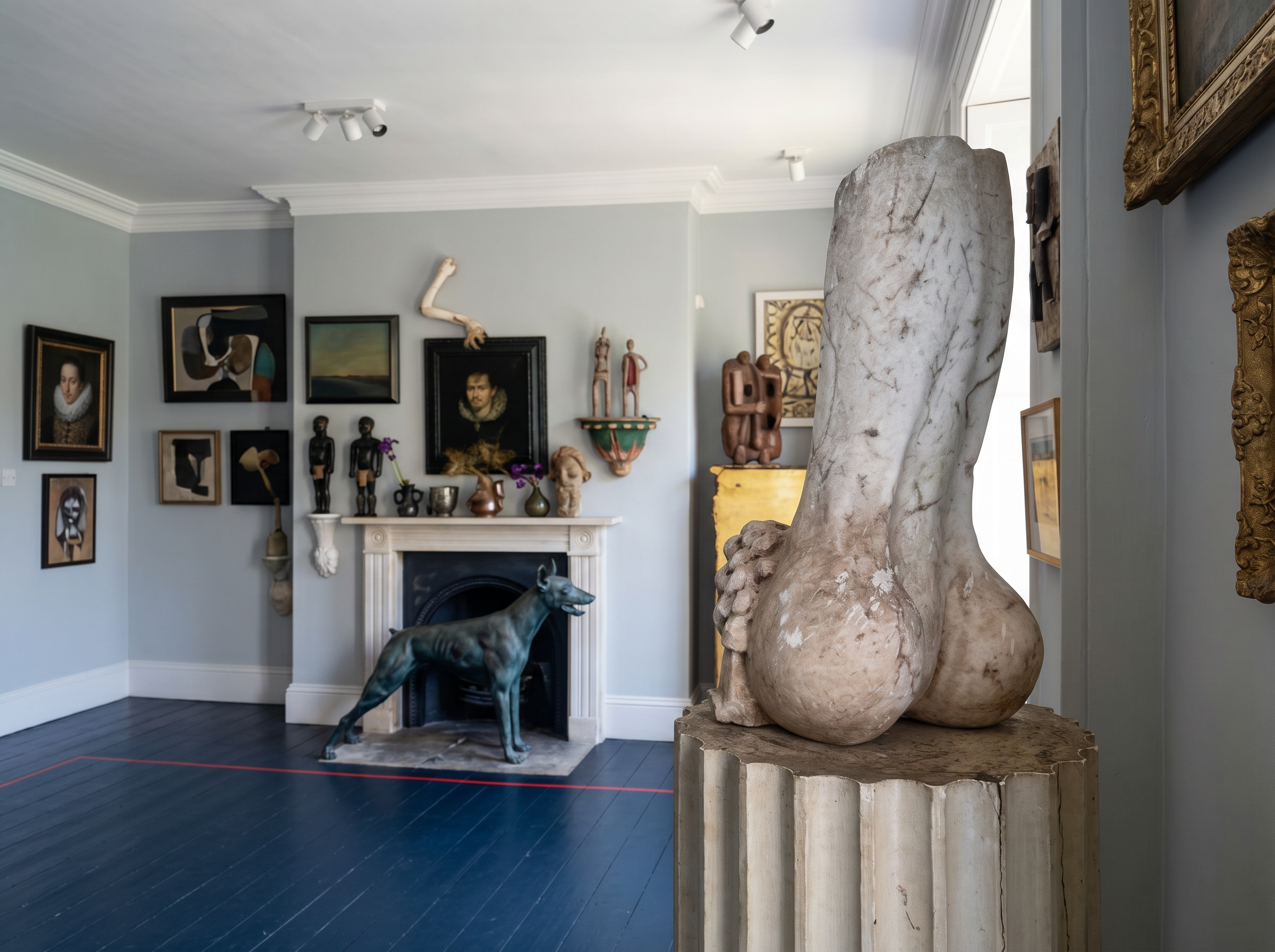
There is a growing understanding in contemporary culture that an interior is no longer defined by furniture, architecture, or materials alone. A space becomes truly complete only when it carries a profound emotional and intellectual layer. That layer is art. Without art, an interior remains merely functional, whereas with art, it becomes genuinely alive.
This is why in today’s world of collectible design, luxury interiors, and curated environments, art is no longer treated as an accessory. It is the core element that defines atmosphere, identity, and emotional resonance. A space without art often feels visually correct but emotionally empty, because it may be beautifully designed, perfectly balanced, and technically refined, yet something essential is missing. That missing element is not decoration, it is meaning.
Read more: IF THERE IS NO ART IN AN INTERIOR, THERE IS NO SOUL IN THE SPACE
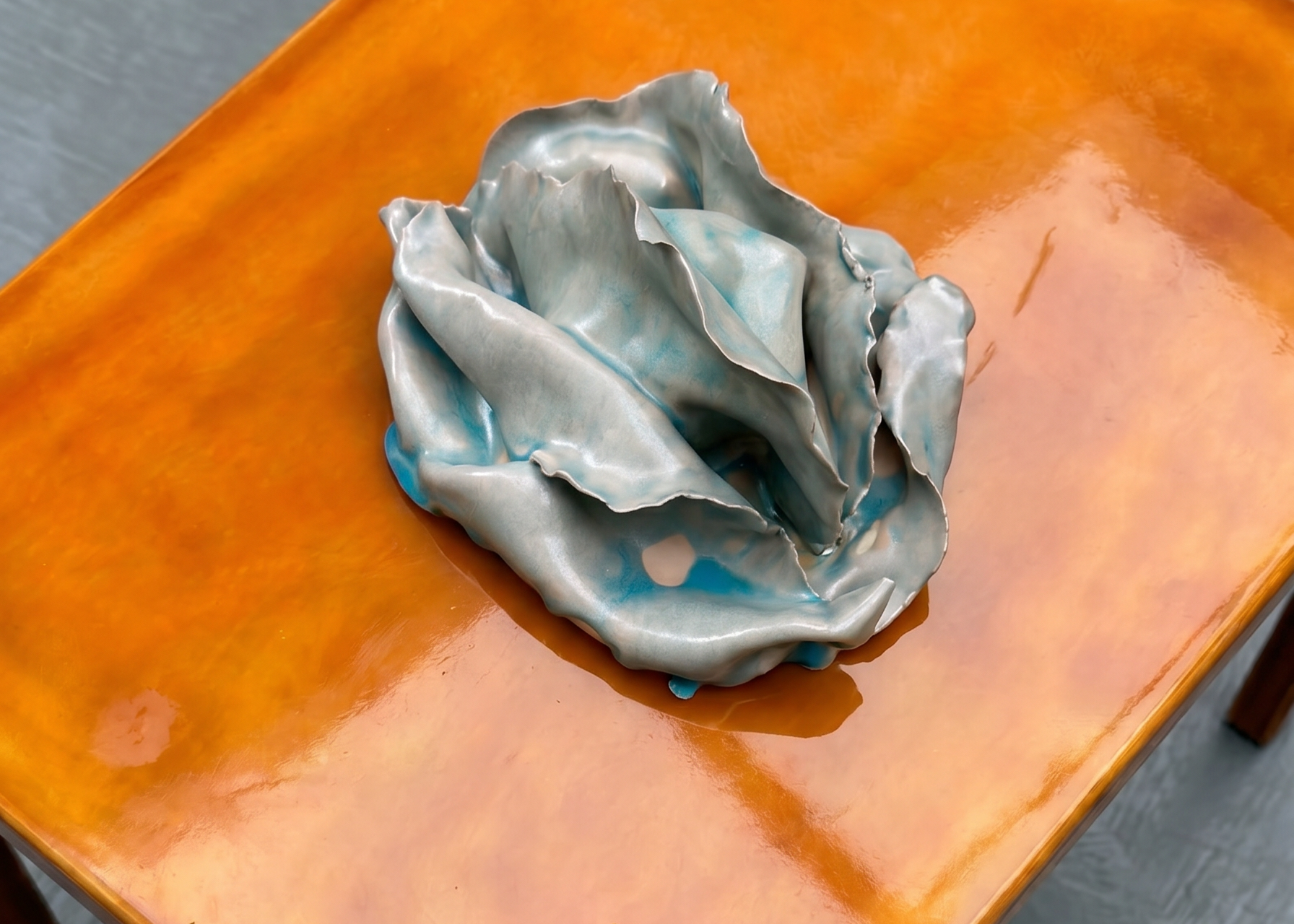
In a world saturated with constant notifications, accelerated visuals, algorithmic feeds, and infinite content production, a quiet counter-movement is emerging across contemporary art and design. It is not loud. It does not compete for attention. It withdraws from noise entirely. This is the rise of slow beauty.
Slow beauty is not simply a passing aesthetic trend, it is an emotional response to digital overstimulation. It reflects a collective need for silence, depth, and sensory clarity in a culture that has become visually and psychologically overloaded. Instead of speed, impact, and material excess, slow beauty values presence, atmosphere, and the luxury of time.
Read more: SLOW BEAUTY: THE NEW AESTHETIC OF STILLNESS, LIGHT, AND EMOTIONAL SPACE
Page 2 of 3