 EN
EN  DE
DE 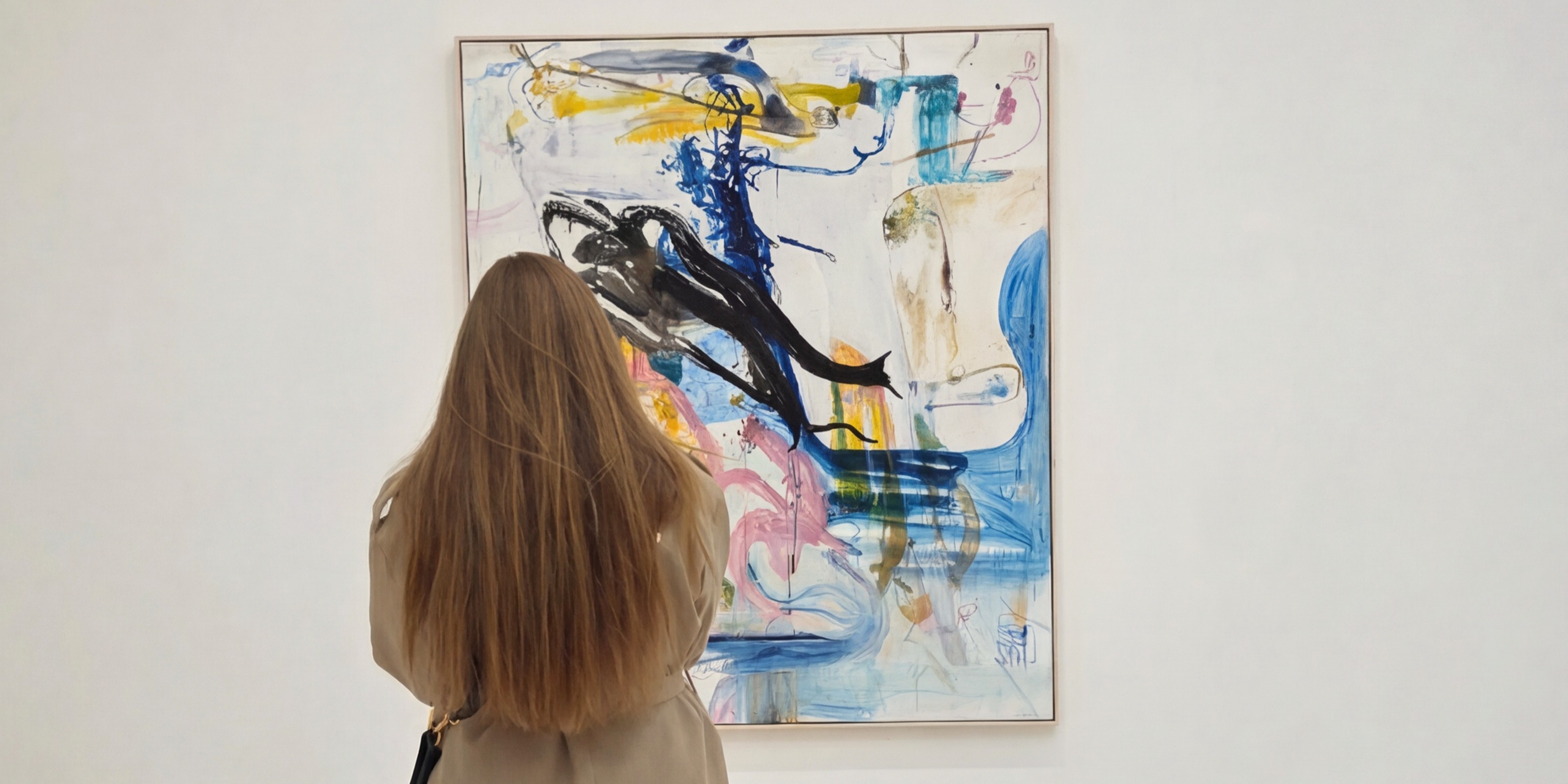
There is a question that has quietly unsettled philosophers, artists, and scientists for centuries: why does a painting move us? Not in the polite, educated sense of appreciating its craft or recognizing its cultural significance, but in the visceral, involuntary sense. It is found in the slight quickening of breath, the sudden stillness, and the feeling that something in the room has changed simply because of what is hanging on the wall.
For most of history, this question belonged strictly to philosophy and aesthetics. Today, it belongs equally to neuroscience. Neuroaesthetics is the scientific study of how the brain responds to art, beauty, and aesthetic experience. It proves convincingly that art is by no means a mere matter of taste, but rather a matter of biology.
Read more: NEUROAESTHETICS: WHY ART IS NOT A MATTER OF TASTE, BUT OF BIOLOGY
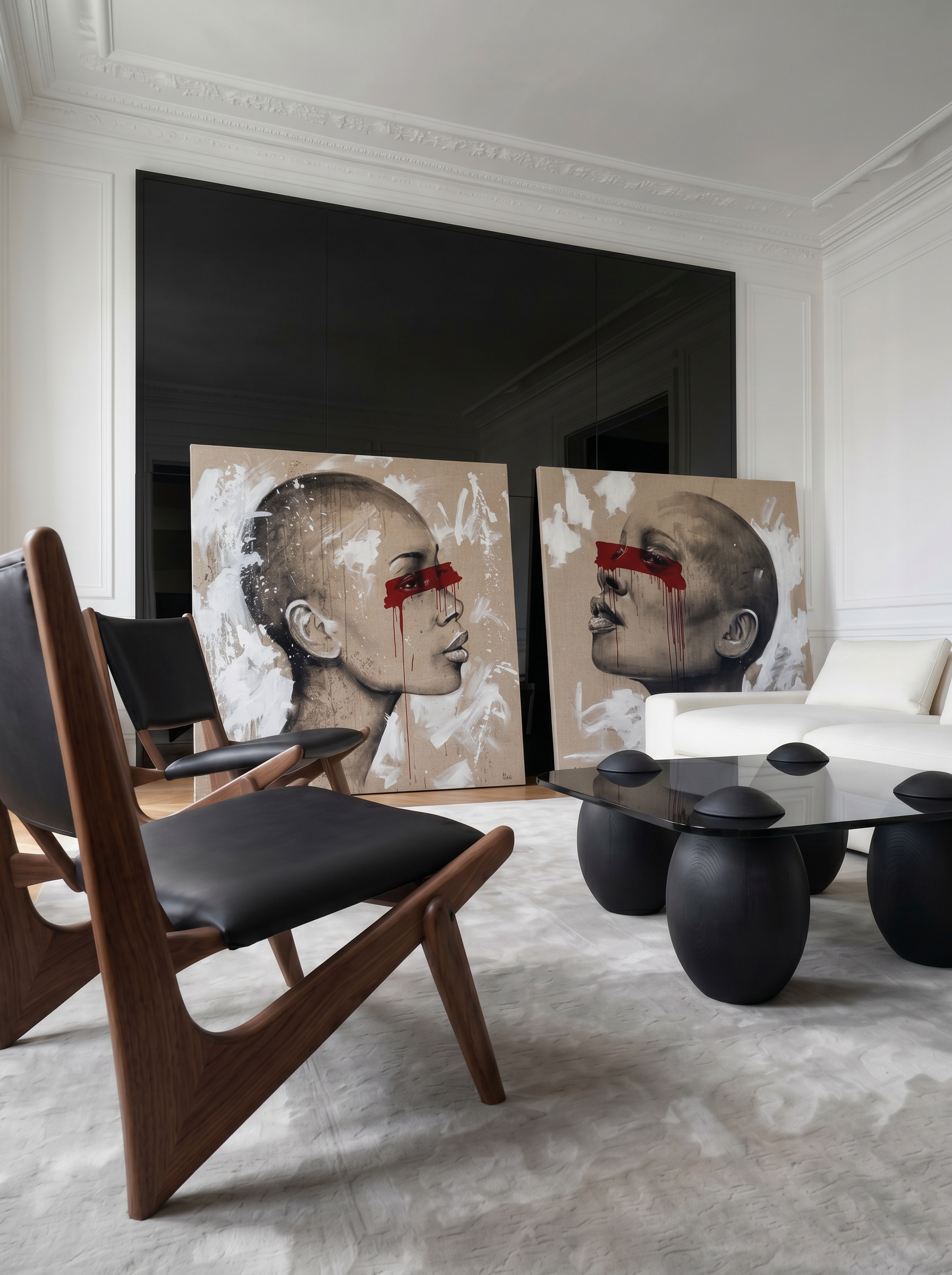
The series Deep Pleasure by Bastian Fiala represents a highly refined investigation into the delicate threshold between visual reality and interpretation within contemporary conceptual art. These works function not as isolated images, but as a cohesive visual and conceptual system in which material, gesture, and emotional presence are inseparably connected. At the core of Fiala’s practice lies a deliberate engagement with raw, unprimed surfaces such as sand, fabric, and plaster.
These tactile materials establish an almost archaeological dimension, where each work carries the distinct imprint of process, time, and physical interaction. Rather than serving as passive supports, the surfaces become active participants in the construction of meaning. This material approach situates the series in a direct dialogue with the legacy of Arte Povera and contemporary post-material practices, where artistic value is no longer defined by decorative resolution, but by authenticity of presence, vulnerability of surface, and conceptual clarity embedded in matter.
Read more: DEEP PLEASURE BY BASTIAN FIALA: A CURATORIAL ANALYSIS
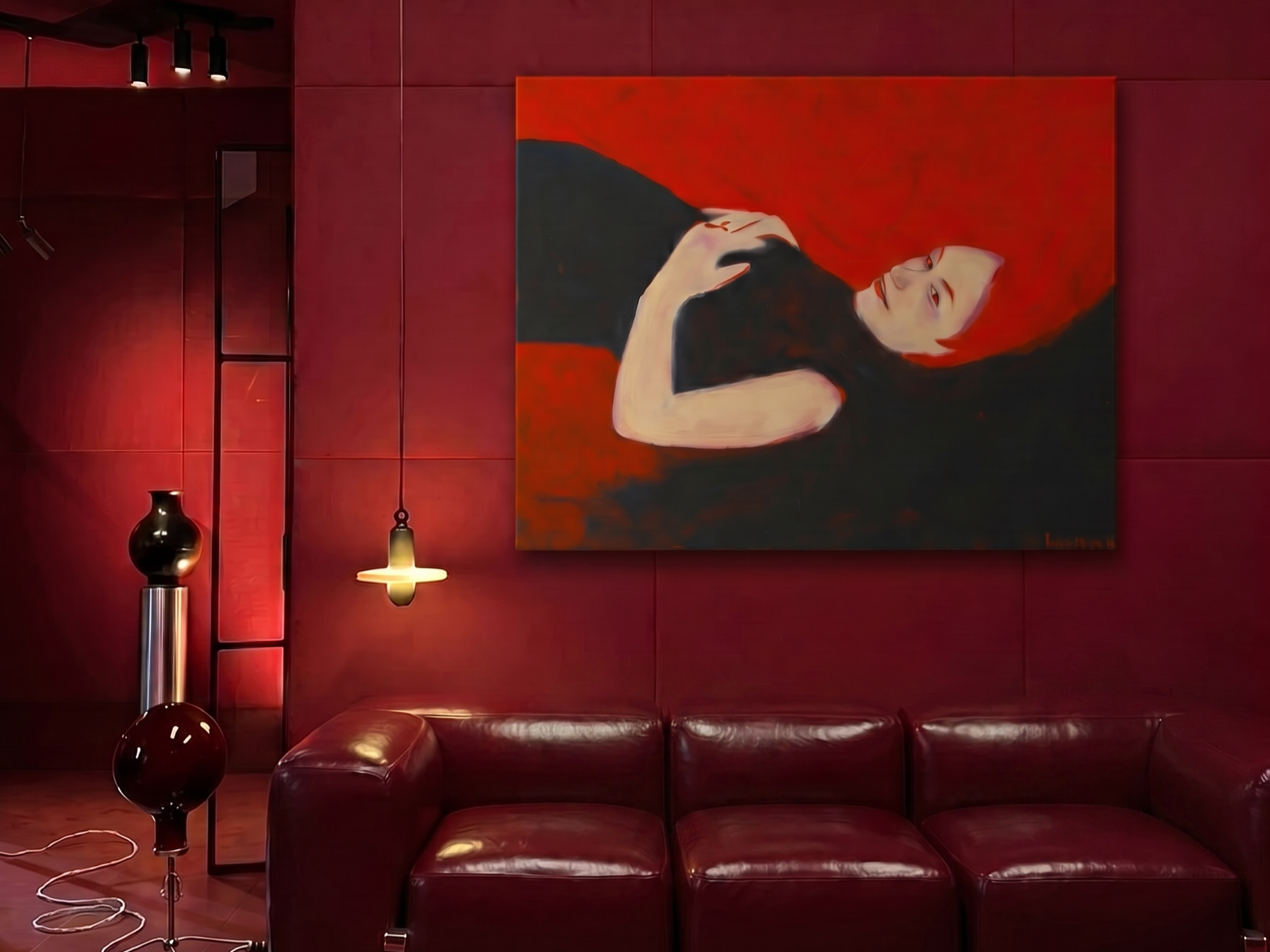
In an age when nearly every masterpiece can be instantly summoned onto a digital screen, a fundamental question remains: why does standing before an original artwork feel so fundamentally different from looking at a high-resolution reproduction? The answer is not found in art theory, but in human biology. Collectors and curators have long described a distinct physical reaction when encountering an important work of art in person. Their heartbeat accelerates, their breathing alters, and time itself seems to slow down. This visceral response is not merely a subjective matter of taste, it is a measurable neurological recognition of authenticity.
An original artwork carries a unique, irreplaceable presence that cannot be replicated by even the most advanced digital display. The physical texture of the paint, the subtle variations of light catching the surface, the delicate evidence of the artist’s hand, and the history embedded within the object create a multi-sensory experience that exists only in a direct, physical encounter. A high-quality digital screen or print captures a flat image, but it fails to transmit the living object itself. The body instantly senses this difference, processing the real depth and materiality of a canvas long before the conscious mind can fully articulate it.
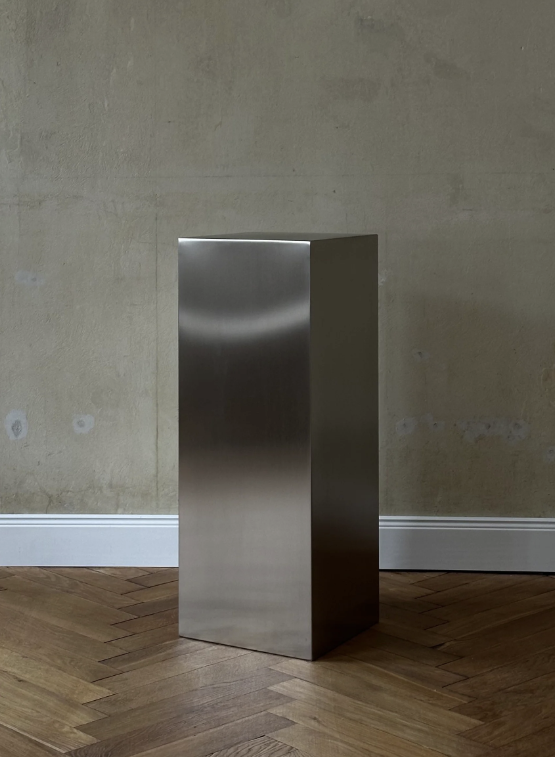
The furniture is immaculate. The color palette is deeply refined. Every material has been selected for its tactile and aesthetic excellence, the cool precision of veined stone, the warm weight of oiled oak, the casual elegance of raw linen, and the muted gleam of brushed metal and glass. On paper, and to the casual observer, the apartment looks undeniably expensive. And yet, when you sit in the space, it does not feel entirely complete. This is not because something is structurally or decoratively wrong, but because something profoundly essential is missing.
There is a persistent and costly misconception in high-end interior design: the belief that luxury is defined solely by the accumulation of beautiful objects. In reality, true luxury is defined by coherence, the invisible emotional and psychological logic of a space. This explains why many high-end interiors feel visually perfect but emotionally neutral. They have been beautifully designed, but they are not yet inhabited on a deeper psychological level. Contemporary art is the vital element that completes this transition. It acts not as mere surface decoration, but as an indispensable identity structure.
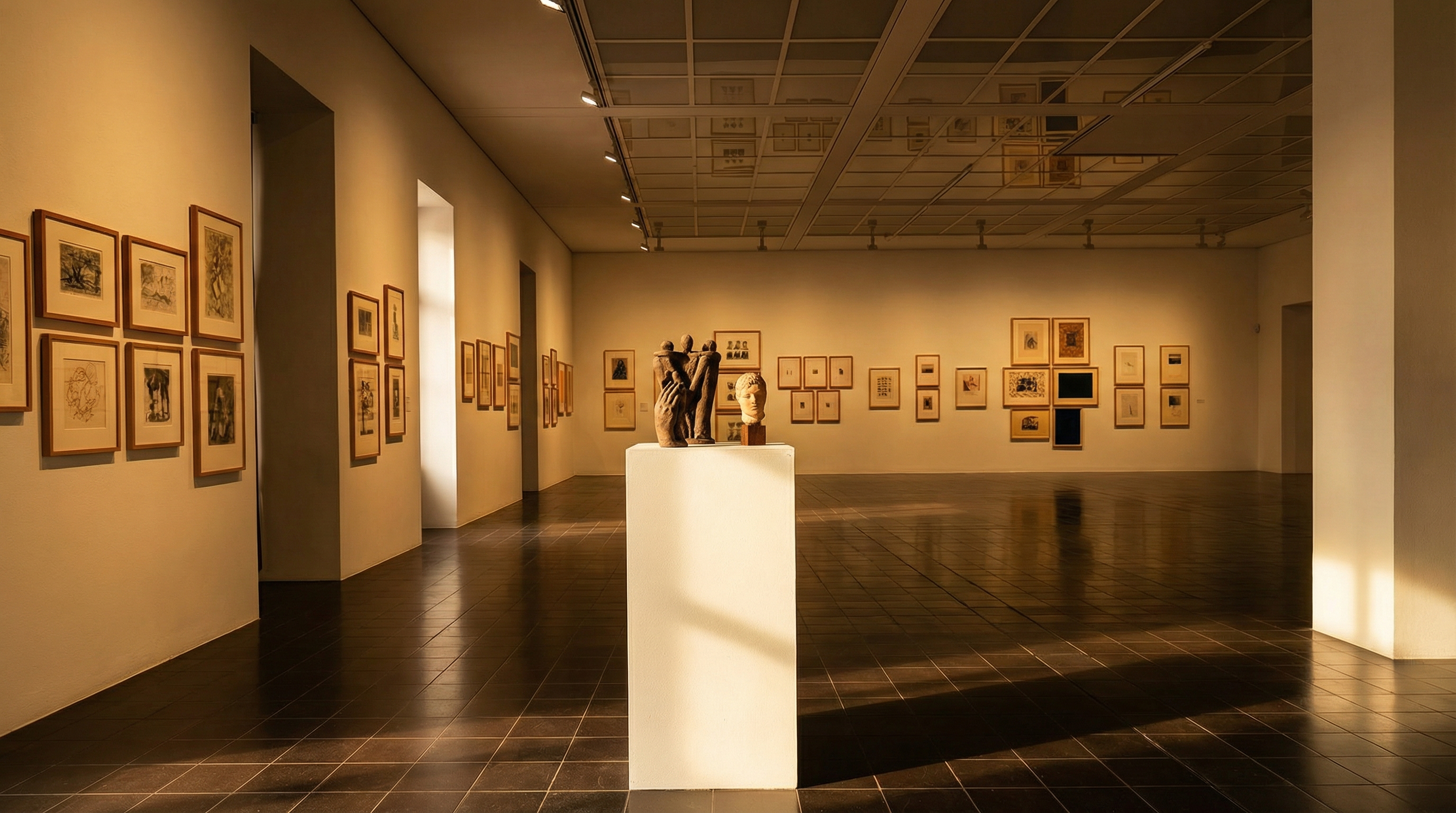
Buying contemporary art is widely regarded as a definitive marker of taste, education, and cultural status. Yet, in reality, many private collections fail to become what they were truly meant to be, emotionally powerful, conceptually coherent, and unforgettable. This failure does not occur because the individual artworks lack financial or artistic value, but because the underlying selection logic is fundamentally incomplete. When wealth is applied to the art market without a rigorous curatorial framework, acquisitions accumulate while true cultural significance dissipates.
Building a collection that commands long-term respect requires moving past the superficial impulses of the marketplace. Most collections remain unmemorable because they are treated as a series of isolated financial or aesthetic transactions rather than the construction of a cohesive visual identity. To create a legacy that resonates across changing cultural landscapes, sophisticated collectors must identify and transcend the three most critical mistakes commonly made in high-end art acquisition.
Read more: 3 MISTAKES PEOPLE MAKE WHEN BUYING CONTEMPORARY ART
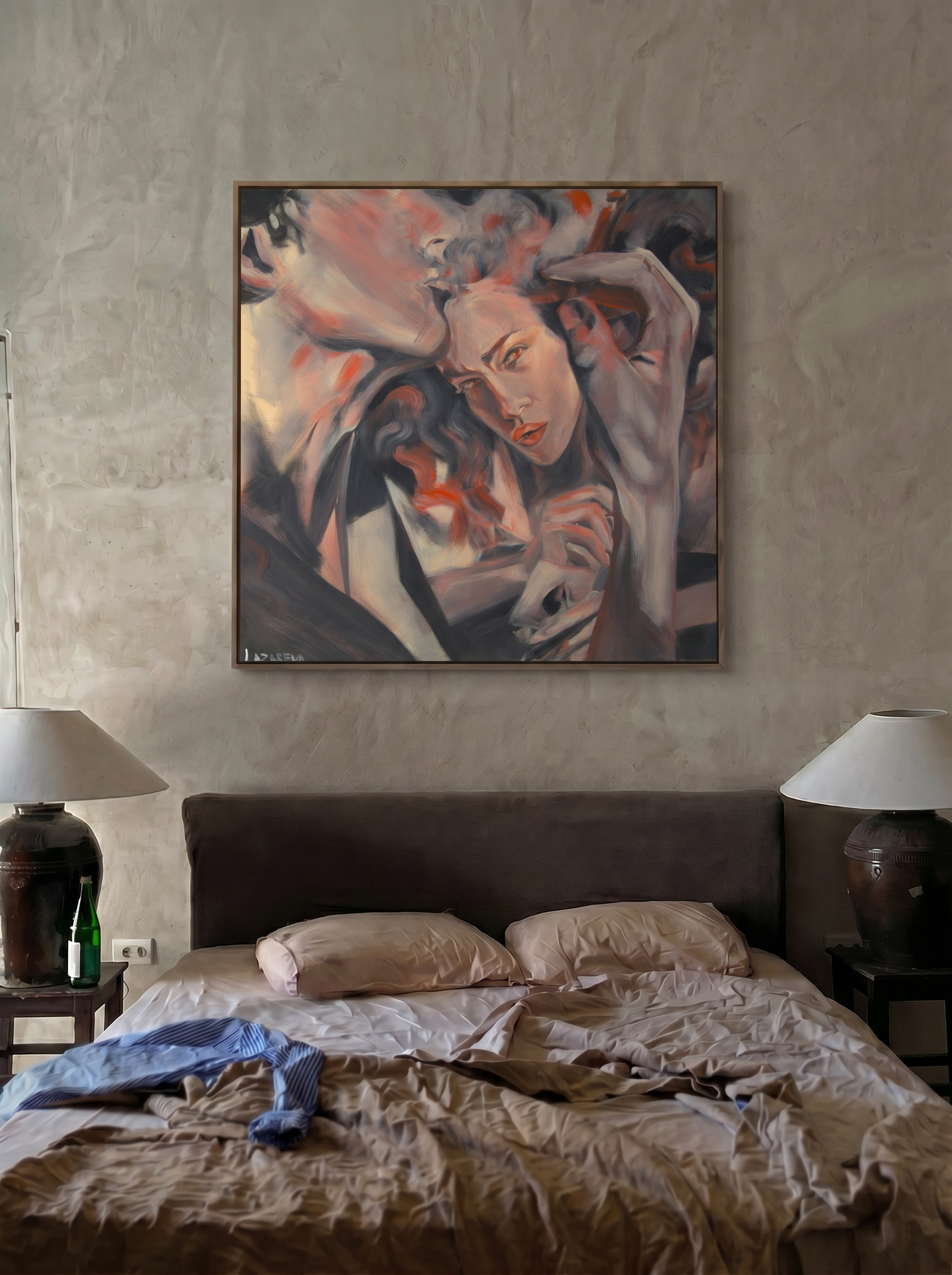
There is a distinct moment in the creation of every high-end interior when everything is technically flawless. The architecture is sound, the lighting is precisely engineered, and the custom furnishings are perfectly arranged. Yet, despite this material perfection, something in the atmosphere remains entirely absent. Then, a single, carefully curated contemporary artwork enters the space. Instantly, the entire room shifts. The structural dimensions remain identical, the fabrics unchanged, but the psychological atmosphere is fundamentally rewritten. This dramatic transformation occurs not because the physical space changed, but because human perception did.
In high-end interior environments, human psychology is incredibly sensitive to focal points, contrast, and visual tension. An authentic artwork does not sit passively on a wall, it acts as a dynamic psychological anchor. It completely reorganizes how the eye moves through a physical space, dictates how long attention lingers in a specific area, and alters how emotional energy is distributed throughout the room. Ultimately, it redefines how human memory encodes the entire environment. This is why true art is never neutral. It is always actively participating in the room's psychological makeup.
Read more: THIS ARTWORK CHANGED THE ENTIRE ENERGY OF THE ROOM
Page 3 of 3